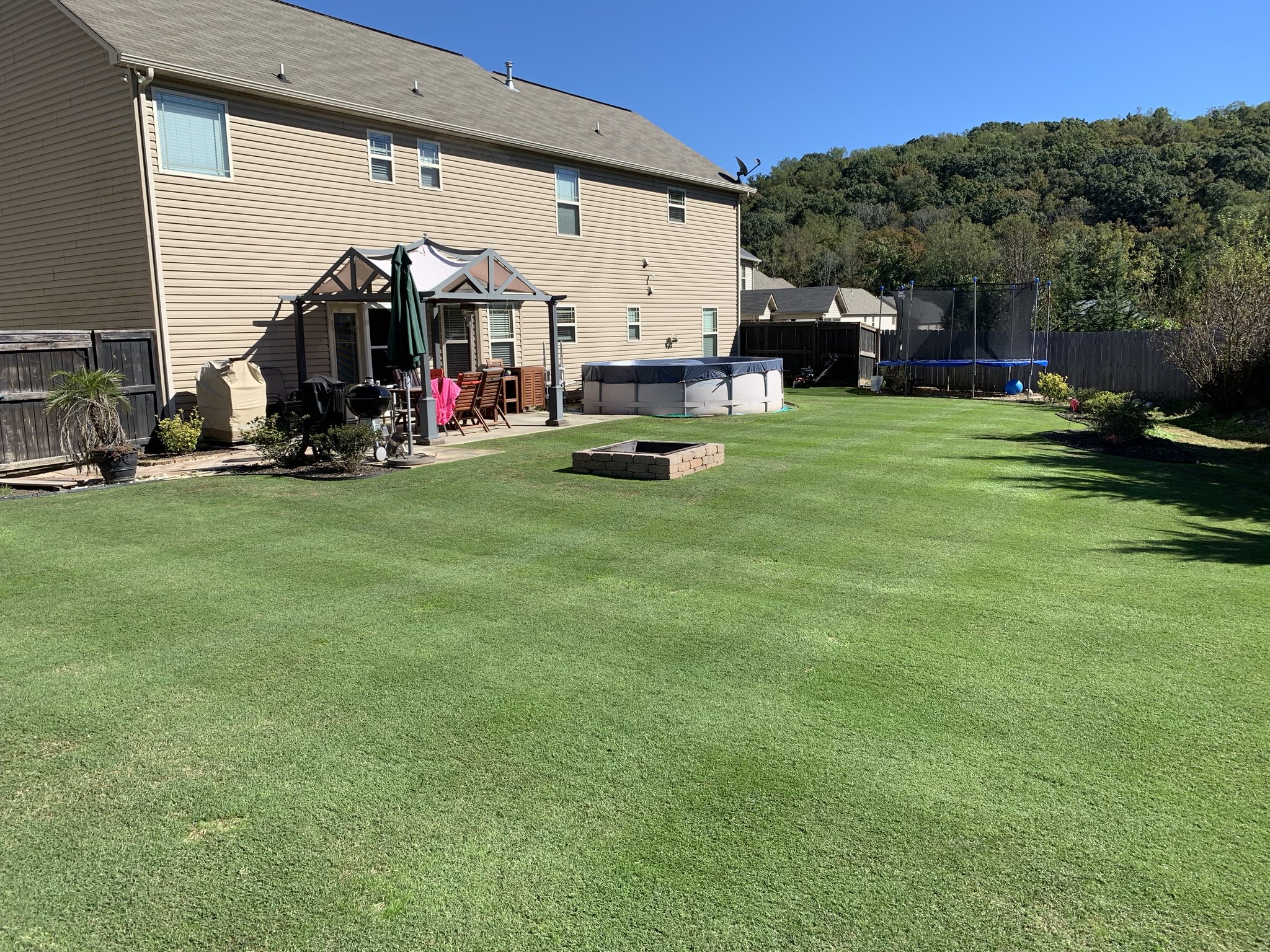
Scalping Bermudagrass, a common practice among turf management professionals and lawn care enthusiasts, involves cutting the grass much shorter than usual at the start of the growing season. This technique, though often debated, offers a myriad of benefits for the health and appearance of your lawn. Here are the critical Advantages of scalping a bermudagrass lawn.
Introduction to Scalping Bermudagrass
Bermudagrass, a popular turf choice due to its durability and resilience, thrives under a variety of conditions. Scalping, the process of cutting the grass down to its lowest healthy cutting point, is a practice that can significantly influence the health and aesthetics of your lawn. This section delves into the basics of scalping and the unique characteristics of Bermudagrass that make it suitable for this process.
Key Benefits of Scalping Bermudagrass
Enhanced Turf Health
Scalping can lead to a healthier lawn by removing old, dead grass and allowing sunlight to reach the base of the turf. This sunlight exposure is crucial for the stimulation of new growth, leading to a denser, more vibrant lawn.
Improved Growth Patterns
By removing the excess thatch and old growth, scalping encourages the Bermudagrass to grow more horizontally than vertically. This lateral growth results in a thicker turf that can better compete with weeds and resist wear.
Pest and Disease Management
A thick, healthy lawn is less susceptible to pests and diseases. Scalping can reduce the habitat for pests and eliminate diseased or infested grass blades, contributing to a more robust and resilient turf.
Optimizing Lawn Appearance
Uniformity and Aesthetics
A well-scalped lawn presents a uniform and neat appearance, enhancing the overall aesthetics of your landscape. The practice can also highlight the natural green color of Bermudagrass, making your lawn stand out.
Thatch Reduction
Thatch, a layer of dead organic matter that accumulates on the soil surface, can prevent water, air, and nutrients from reaching the grass roots. Scalping helps in breaking down thatch, promoting a healthier lawn environment.
Color Enhancement
Post-scalping, the new growth that emerges is often of a more vibrant green, giving your lawn a fresh and revitalized look.
Strengthening Bermudagrass
Root Development
Scalping encourages deeper root growth, which is essential for accessing water and nutrients deeper in the soil. A strong root system also makes the grass more drought-tolerant and resilient.
Resilience Against Stressors
A lawn that has been properly scalped can better withstand environmental stressors such as heat, drought, and heavy foot traffic. The Bermudagrass will green up faster allowing for nutrient uptake to begin sooner. This will lead to a healthier stand of turf.
Encouraging Lateral Growth
As mentioned, scalping promotes the spread of Bermudagrass, leading to a denser turf that can efficiently cover bare spots and reduce weed invasion. Scalping Bermudagrass allows you to maintain the lawn at a lower and more preferred height of cut. Generally, when you cut Bermudagrass lower, it spreads faster than it would if cut at a higher height of cut.
Water and Nutrient Management
Efficient Water Usage
A healthy, scalped lawn utilizes water more efficiently, reducing the need for frequent watering. This can lead to significant water savings, especially in drier climates.
Enhanced Nutrient Uptake
Scalping can improve the soil’s ability to retain nutrients, making them more available to the grass. This results in a more nourished and vigorous lawn.
Scalping Techniques for Bermudagrass
Best Practices
Understanding the best practices for scalping, including the ideal cutting height and techniques, can maximize the benefits of this practice for your Bermudagrass lawn. Scalping as low as your low is able to will give you the best results and allow for the turf to green up faster.
Timing and Frequency
The timing of scalping is critical to avoid damaging the grass. This section covers the optimal periods for scalping and how frequently it should be done to maintain lawn health.
Scalping should be performed once the turf is starting to green up and you have approximately 50-70% green up. Overnight temperatures should no longer be freezing and ideally in the 50’s with day time temps in the 70’s. Scalping too early can lead to stressed turf and increased weed pressure.
Equipment Recommendations
Using the right tools for scalping can make a significant difference in the outcome. Recommendations for mowers and other equipment will be provided to ensure a successful scalping process.
- Lawn Mower set to the lowest setting.
- The Grass Catcher installed on the mower, if available.
- Leaf Blower
- Leaf Rake https://amzn.to/3Ifvfmo
- Safety Glasses https://amzn.to/42RqKb7
- Mask/Gaiter https://amzn.to/431UdiI
- Recyclable Bags to dispose of the dormant grass if unable to compost. https://amzn.to/3uUGw8o
Preparation for Scalping
Before embarking on a scalping project, assessing your lawn’s condition and gathering the necessary tools are essential steps. This preparation ensures a smooth and effective scalping process.
Scalping a Bermudagrass lawn is a labor intensive process. It is best to come prepared with a good nights rest, eat a good breakfast, and ample water to keep yourself hydrated.
Step-by-Step Guide to Scalping Bermudagrass
Watch this Video on How I scalp my lawn
Bermudagrass Recovery After Scalping
Understanding what to expect in terms of growth and recovery after scalping will help you manage your lawn care routine effectively, ensuring a quick and healthy rebound for your turf. Scalping too early will lead to longer green up and a less desirable appearance.
Seasonal Considerations for Scalping
The best times of year for scalping Bermudagrass depend on your climate and the specific growing conditions of your lawn. For most of the United States, the optimal time to scalp your Bermudagrass is between March-May. This is when the grass is coming out of its winter dormancy.
It is possible to scalp your Bermudagrass during other periods of the year. The most common reasons to do this are to “Reset the Height of Cut”. This is typically needed when the Bermudagrass is now mowed as often as it should and it needs a reset.
Conclusion: Maximizing the Benefits of Scalping Bermudagrass
In conclusion, there are many critical advantages of scalping Bermudagrass which offer numerous benefits, from enhancing the health and appearance of your lawn to improving its resilience against environmental stressors. By following best practices and avoiding common mistakes, you can maximize the advantages of this technique for your turf.